


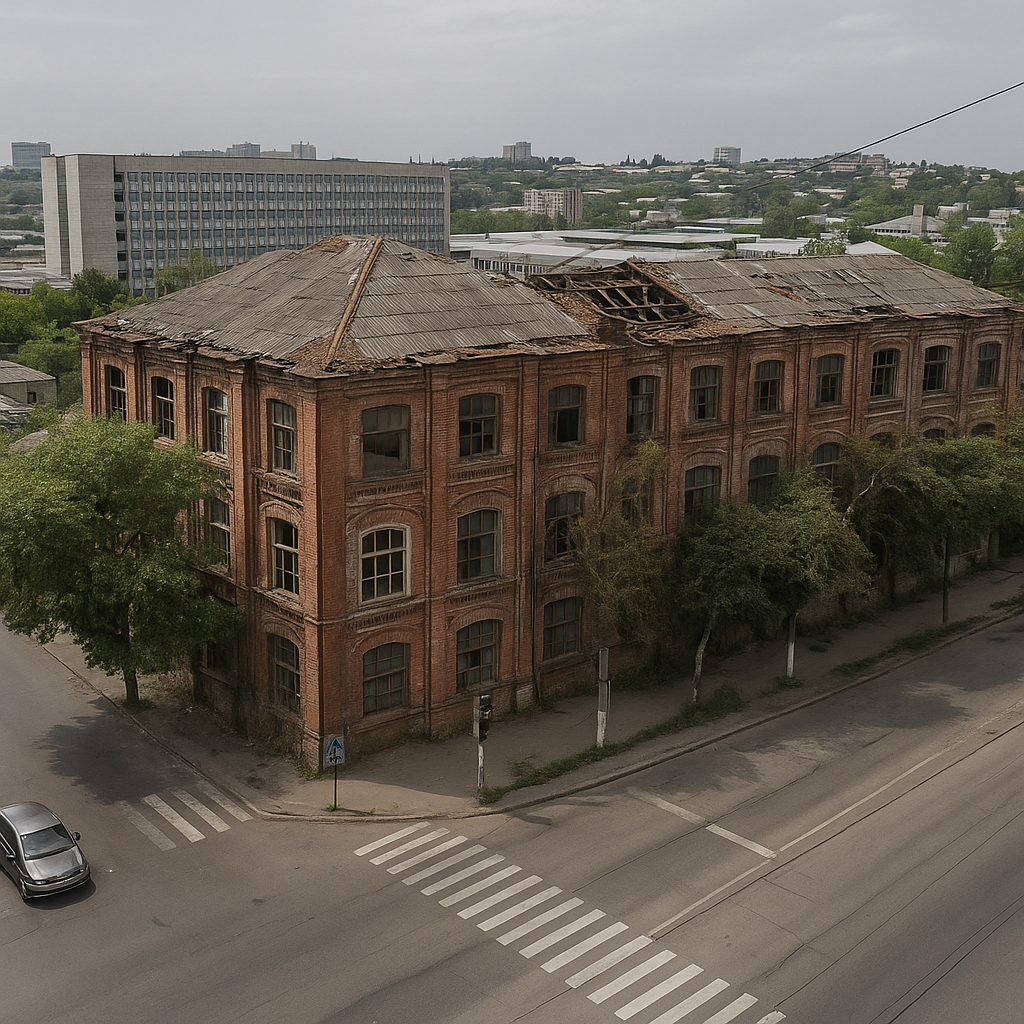


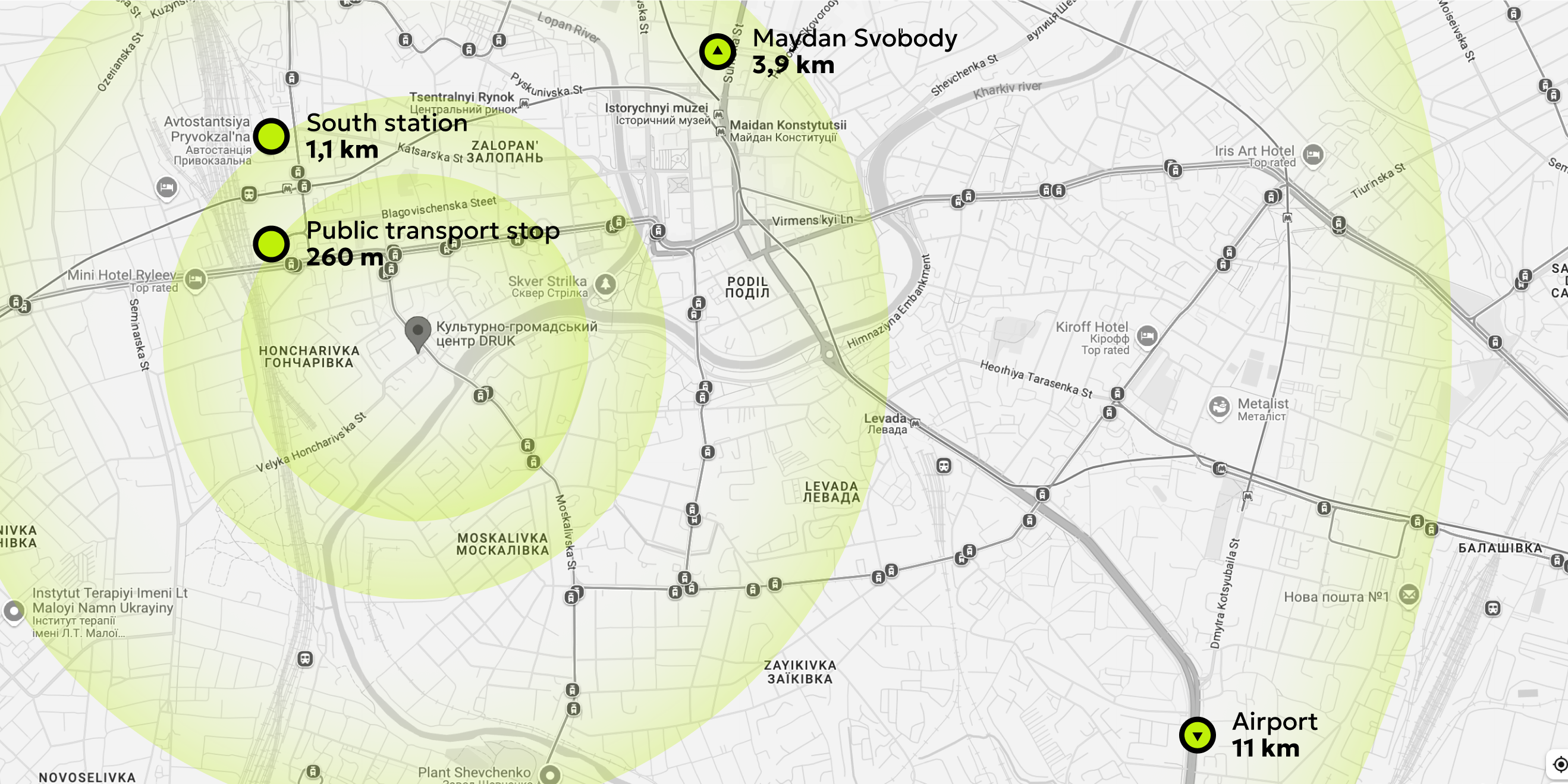
The printing building in Kharkiv was one of a dozen that belonged to a company of Sergei Yakovlev. They were scattered across the biggest cities of the former Russian Empire and nowadays Russia and Ukraine, including Kyiv and Dnipro. The first one in Kharkiv opened in 1872, primarily to fulfill orders for the railways.
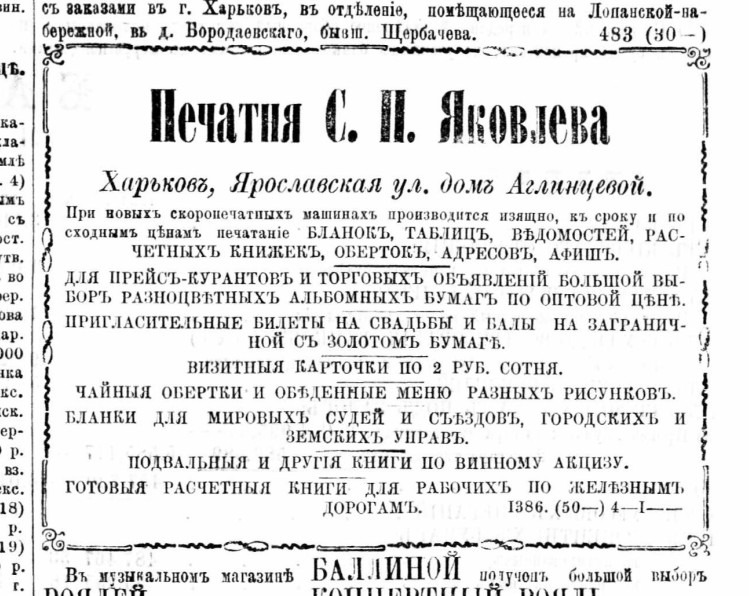
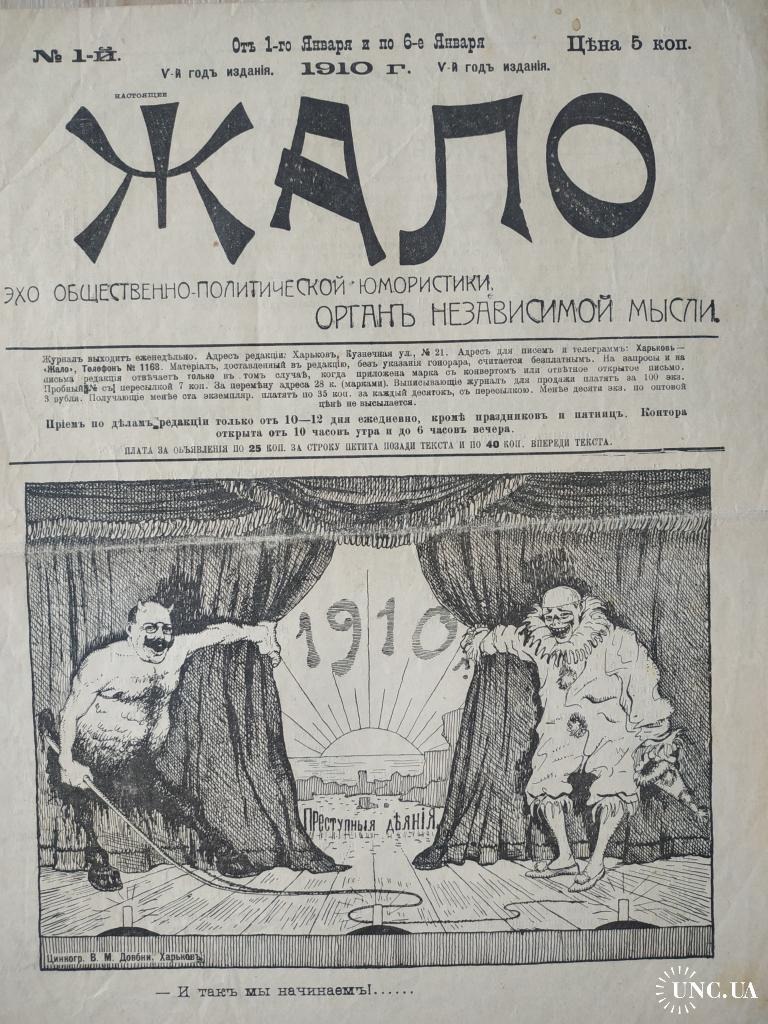
As the business grew, printing presses were set up in several different locations. Alongside the production for the railways, such as tickets and formsheets, they printed business cards, posters, restaurant menus, tea packaging, books, and periodicals, namely a satirical magazine, 'Zhalo' ('Sting'). Among other products, one could find posh invitations to balls printed on expensive imported paper with golden stampings and even census forms.
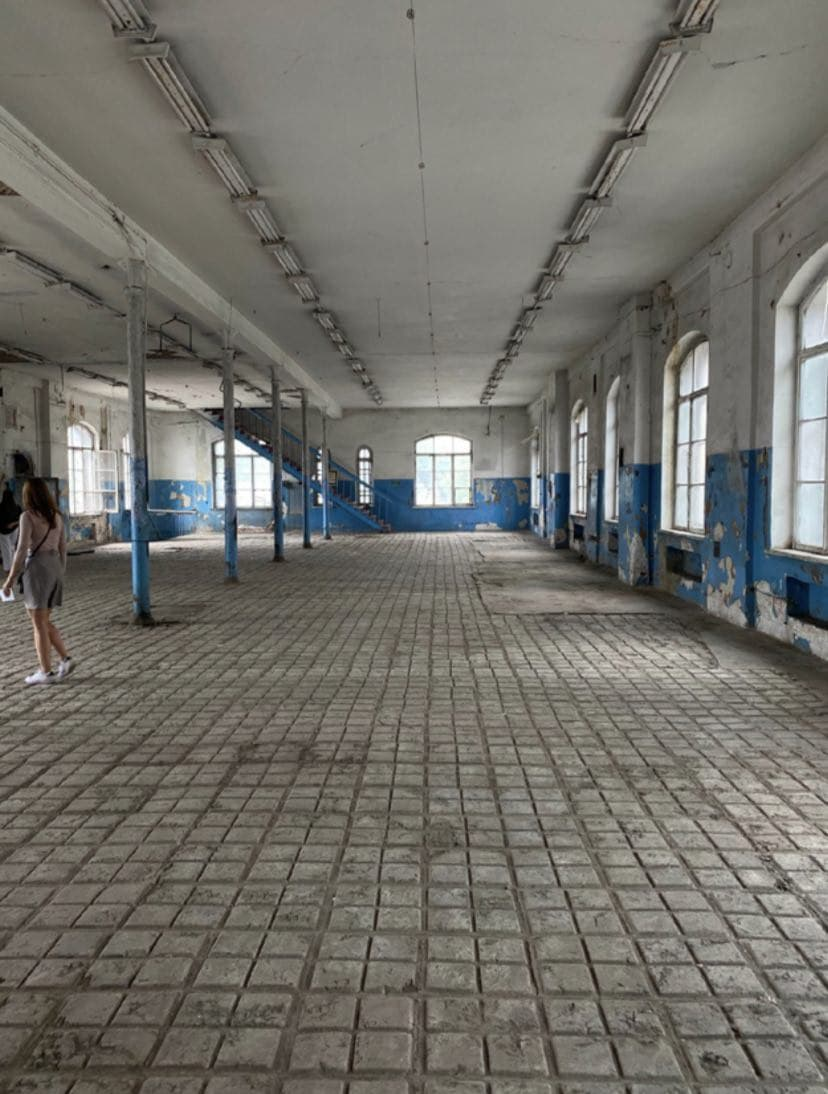
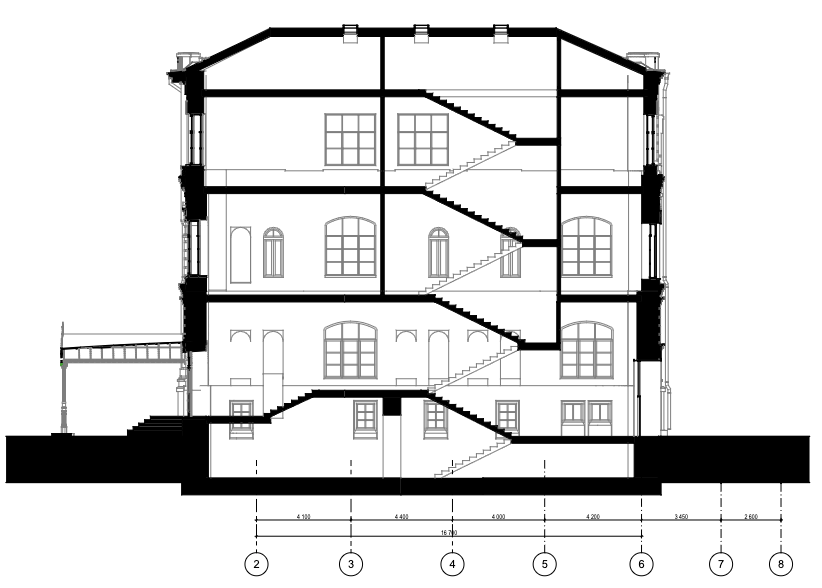
In 1898, the 'Typography of Yakovlev' started constructing a new spacious three-storey brick building in the Honcharivka area. Newspapers of the time mentioned electric lighting, steam heating, good ventilation, and plenty of natural sunlight. Large workshops with high ceilings could fit 15 printing presses and still have room for twice as many since the enterprise was supposed to grow. By that time, about 150 workers were employed.
We know about a strike of its workers, though, as the workers' movement rose all over Europe: in 1905, they demanded reducing shifts to eight hours per day.
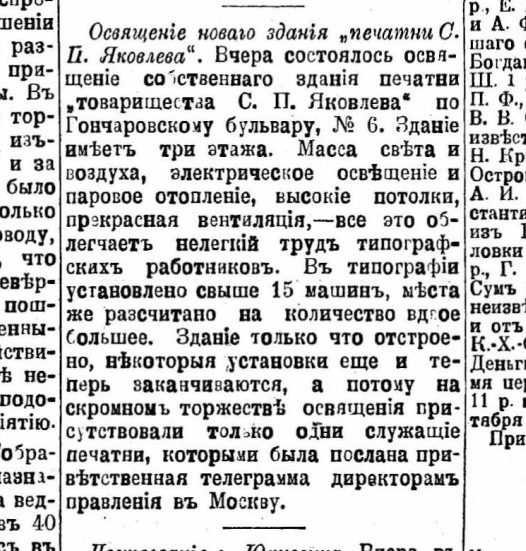
During the unrest that followed the Russian Revolution, the printing house building was damaged and part of its equipment was destroyed. The printing works were restored in the early 1920s, this time as a printing facility of a new Soviet railway department.
The main building was extended by one floor, and a freight elevator was installed. Later, in the post-war period, many technical and storage extensions were built in the backyard.
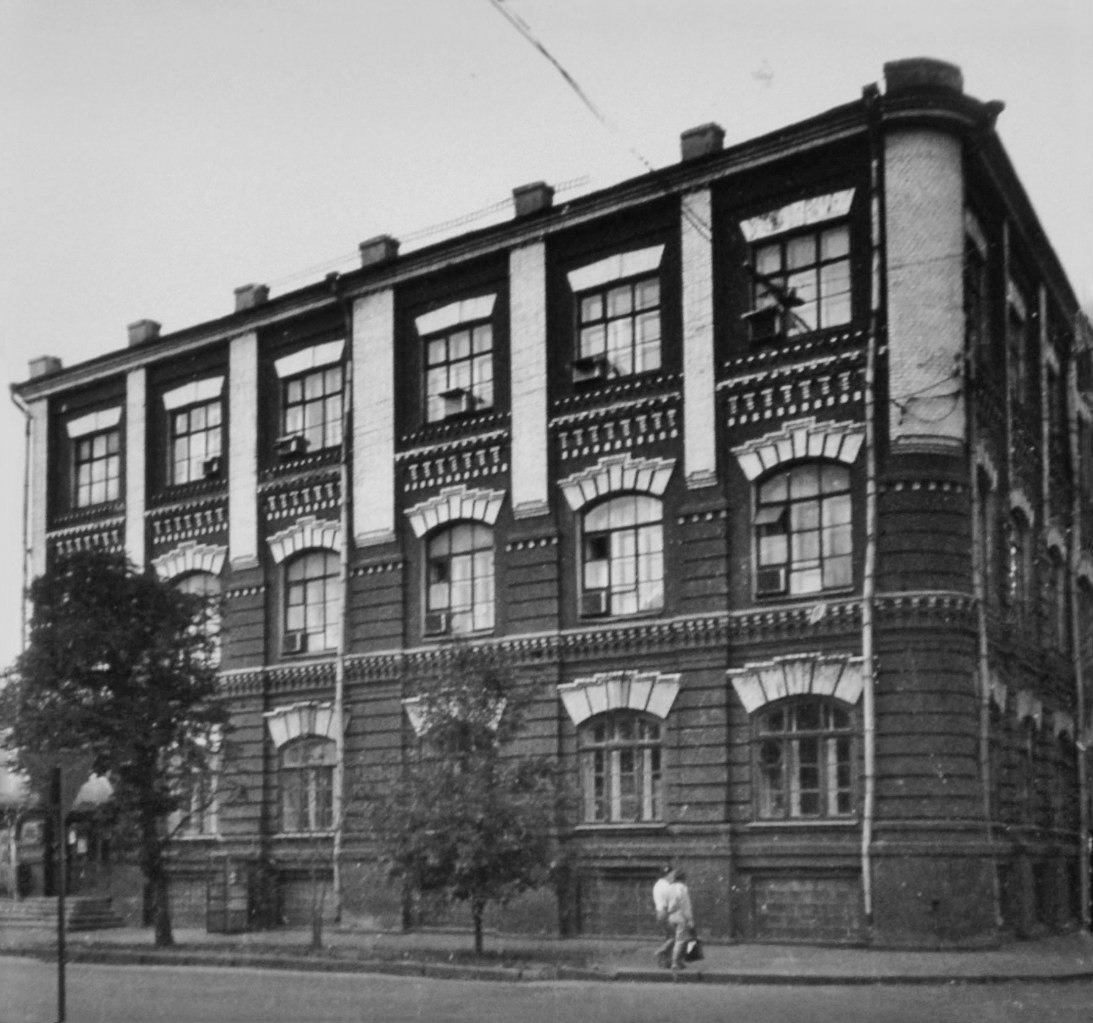
The building continued to function until the 2000s. It served as a production ground for "Kharkiv Typography #2." Some of the rooms were rented out. By the 2010s, though, the historical building had been abandoned and neglected.
.webp)
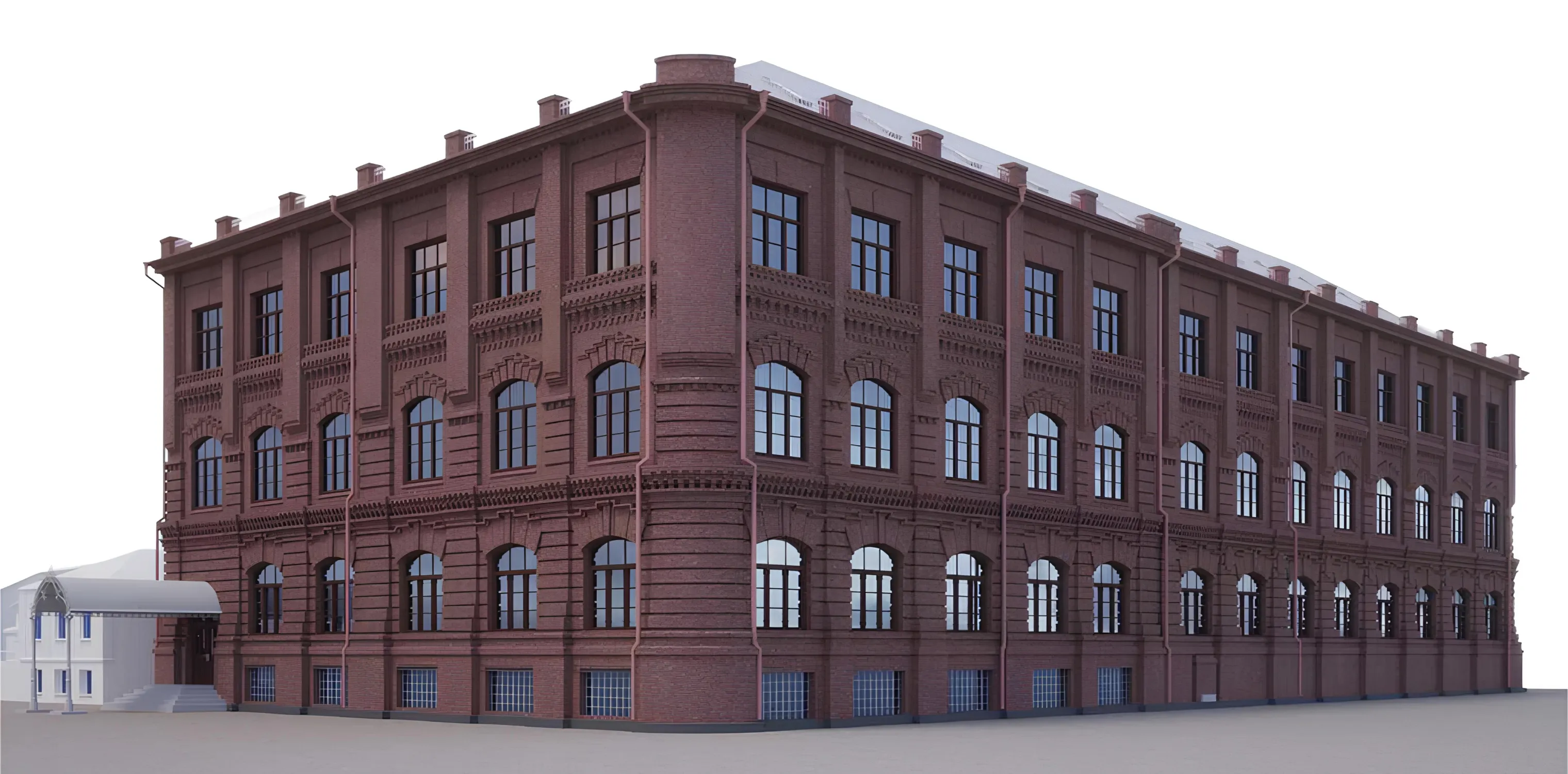
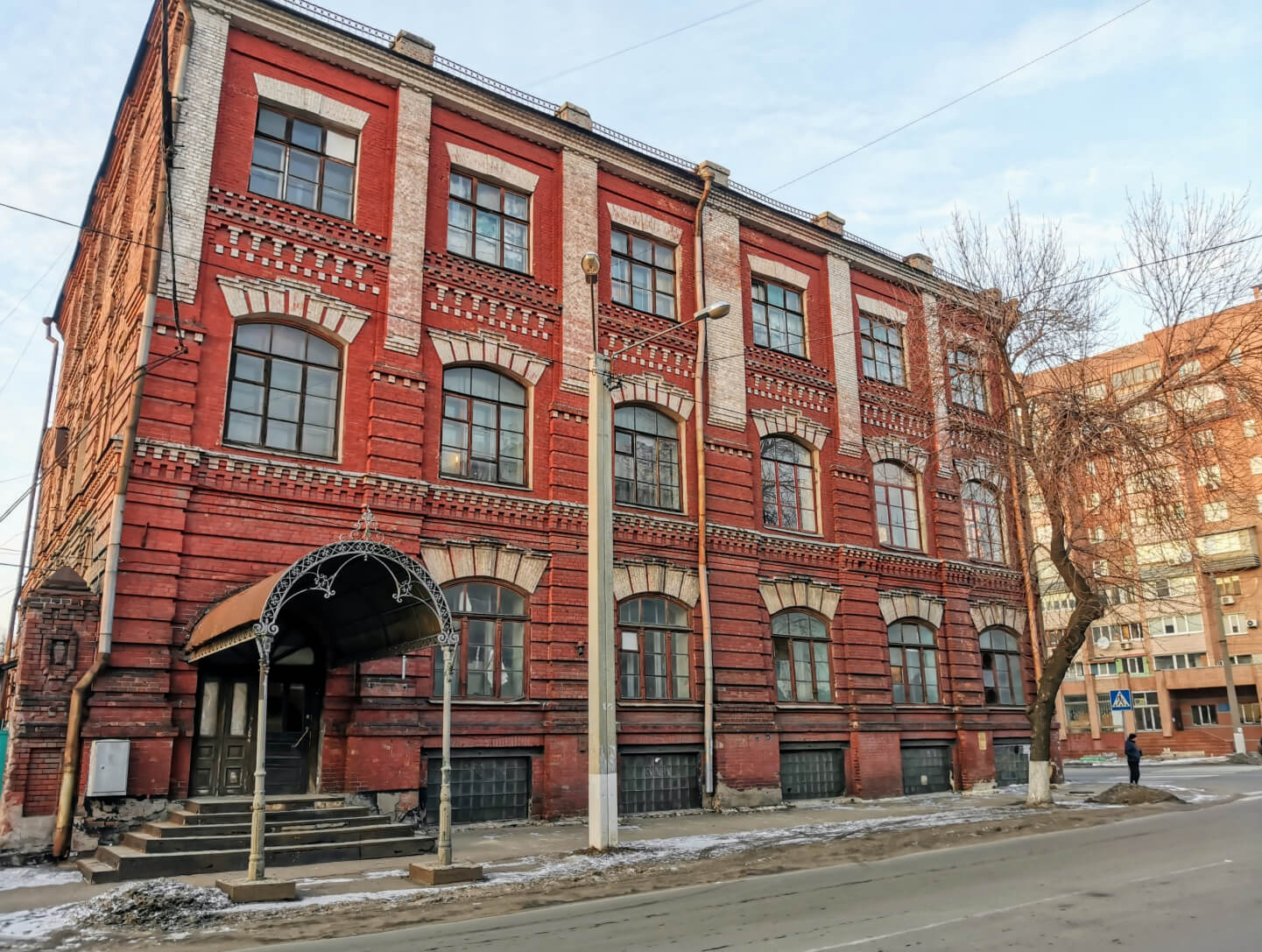
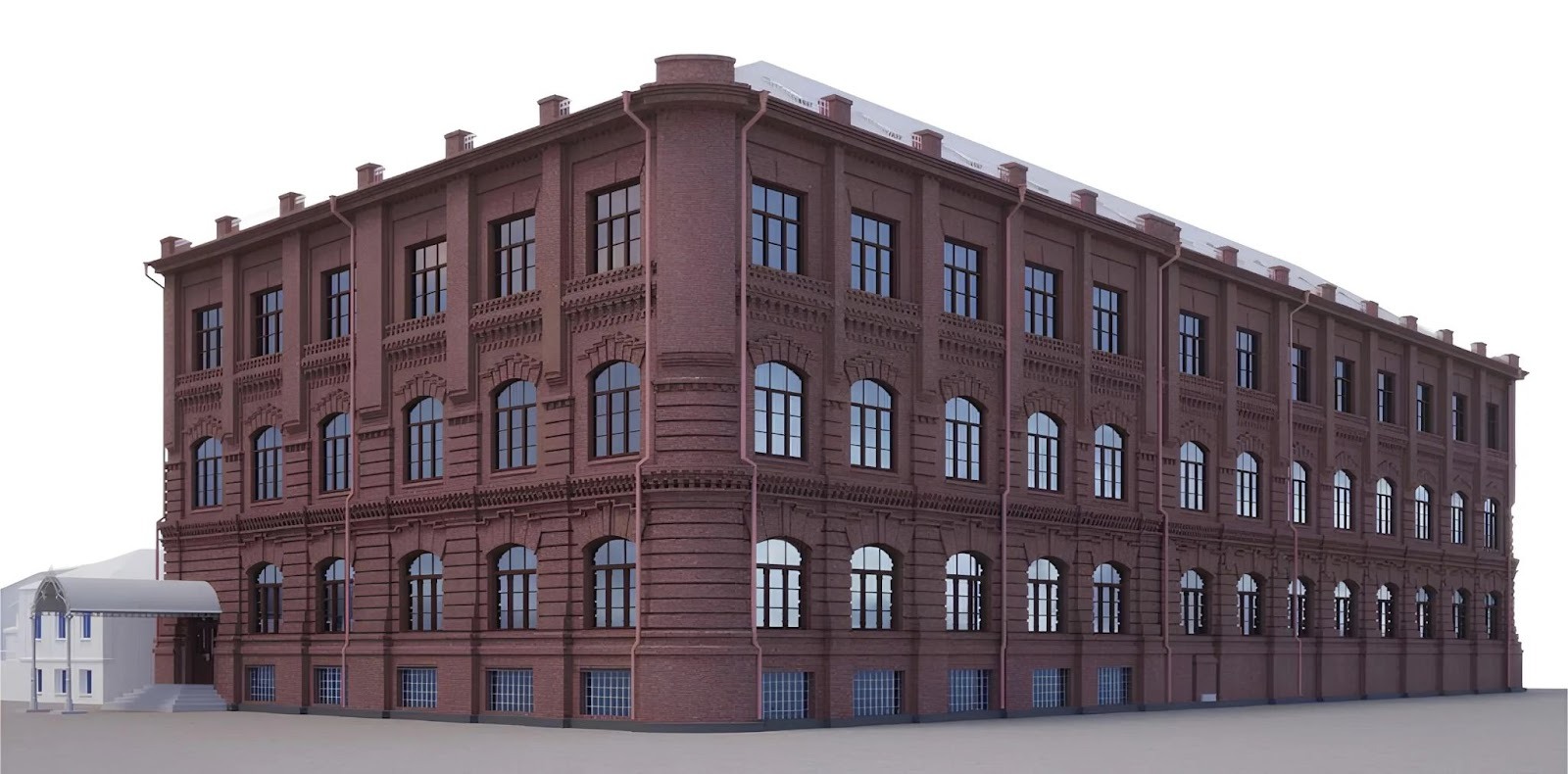
Today, the Yakovlev Printing House, located at 10/2 Honcharivska Street, is officially listed as a historic architectural landmark. The building belongs to the so-called “brick style” — a general term used to describe unplastered buildings of the Historicist period from the late 19th to the early 20th century. Instead of stucco and plaster ornamentation, facades were decorated using various types of brickwork, with bricks sometimes painted. This style was the default choice for the construction of factories and workshops of that era.
.webp)
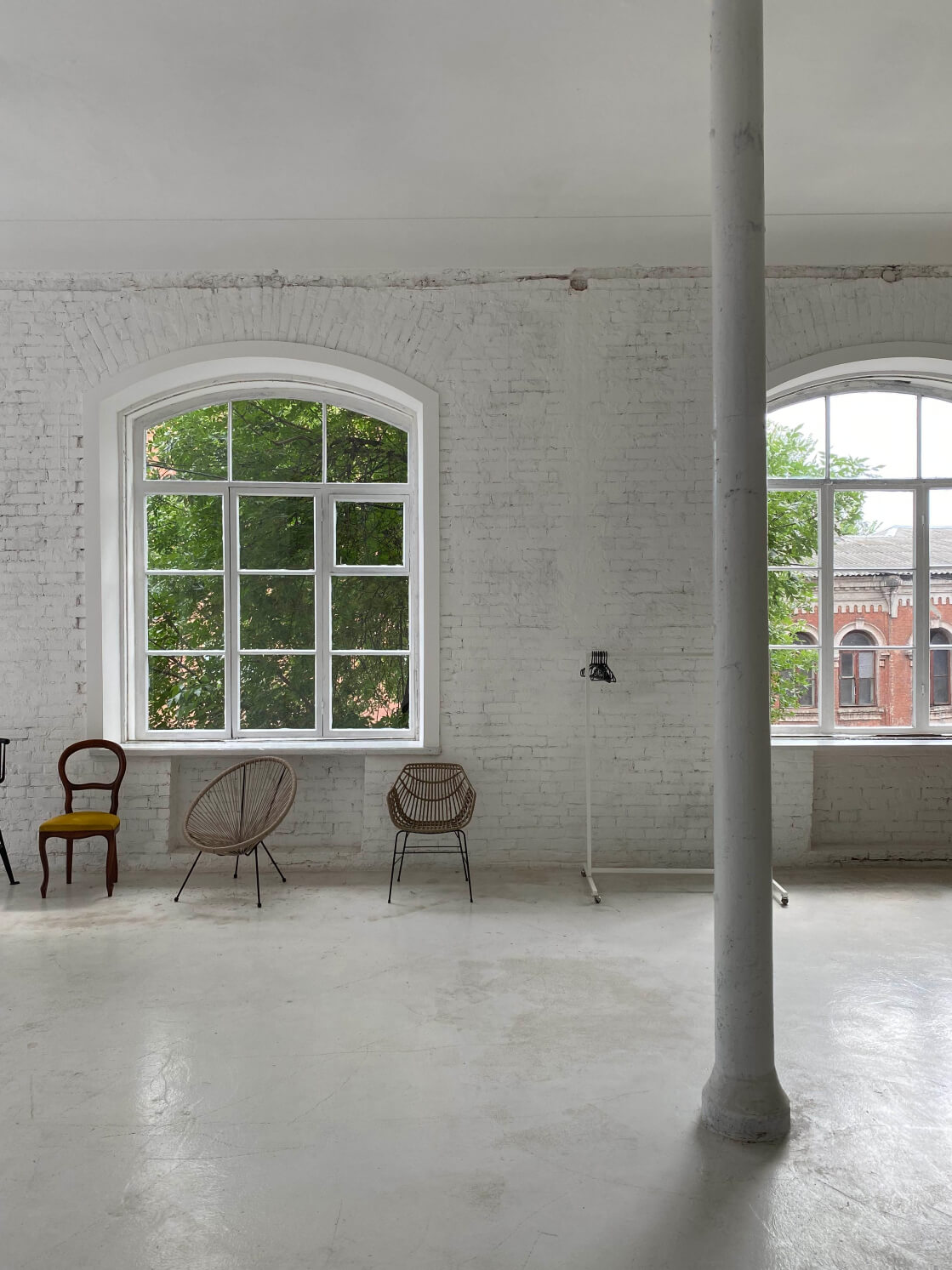
The building resembles historic fortification structures. The builders used reinforced concrete structures, which were considered an advanced technology in the late 1890s. The floor structures were additionally reinforced with cast-iron columns and massive H-beams.
Original wooden-framed windows have been preserved on the first two floors above the plinth level. Large windows were crucial for providing natural daylight to the workshops, where printing presses were once located. Ornate stair railings have also survived.
The third floor, added later during the Soviet period, most likely in the early 1930s, features simplified decoration. The unknown architect attempted to follow the overall facade design; the windows were decorated with imitation keystones, although the difference from those on the lower levels is clearly visible.
He crowned the simple pilasters between the windows with elements on the roof that looked like chapiters, resembling battlements of fortress walls.
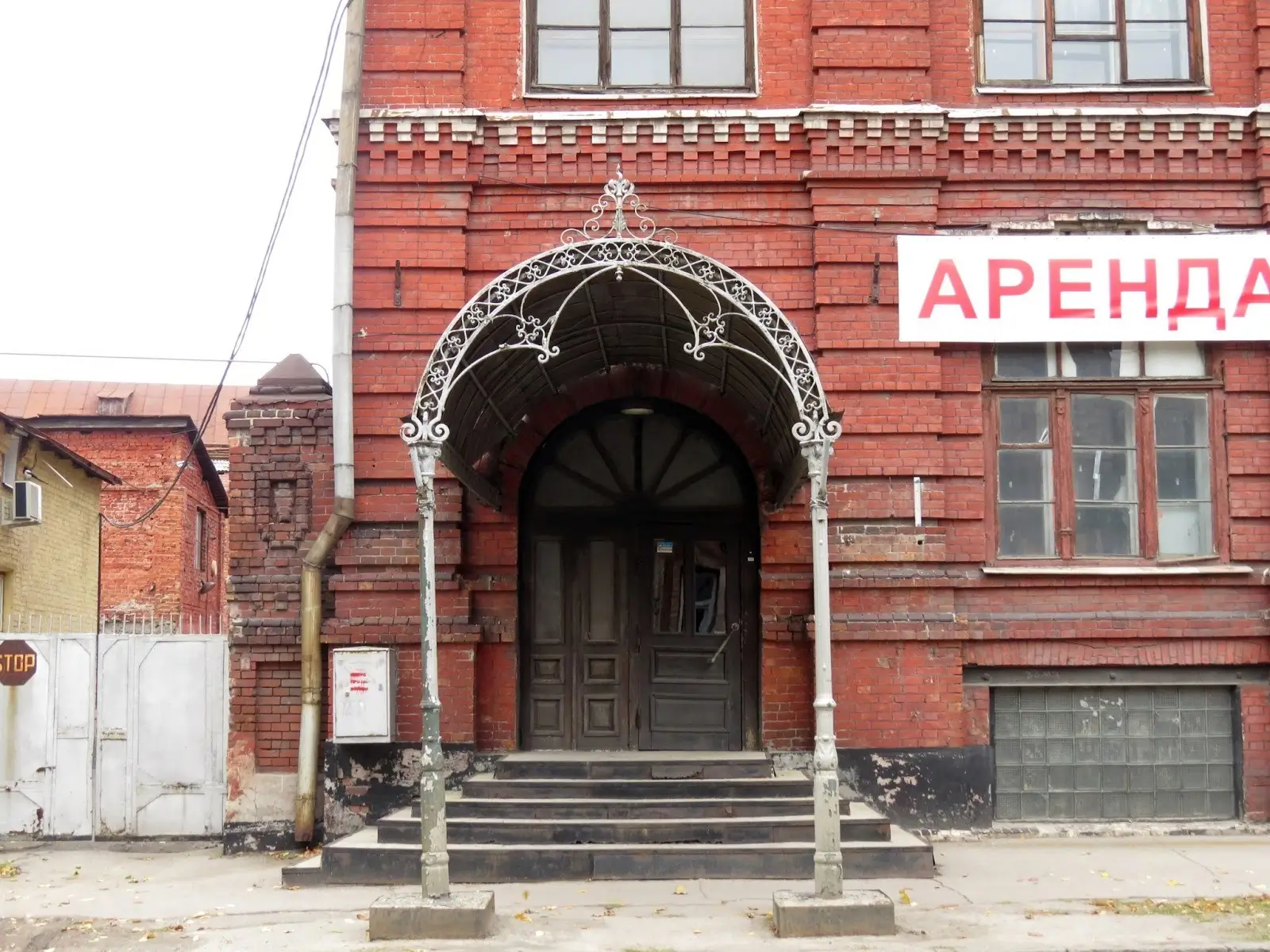
An old openwork iron canopy covers the main entrance, stretching across the whole sidewalk up to the traffic lane. It was highly likely made this long so that carriages could come as close as possible, and therefore people and paper products would not be exposed to the rain and snow. The original wooden doorway is also preserved.
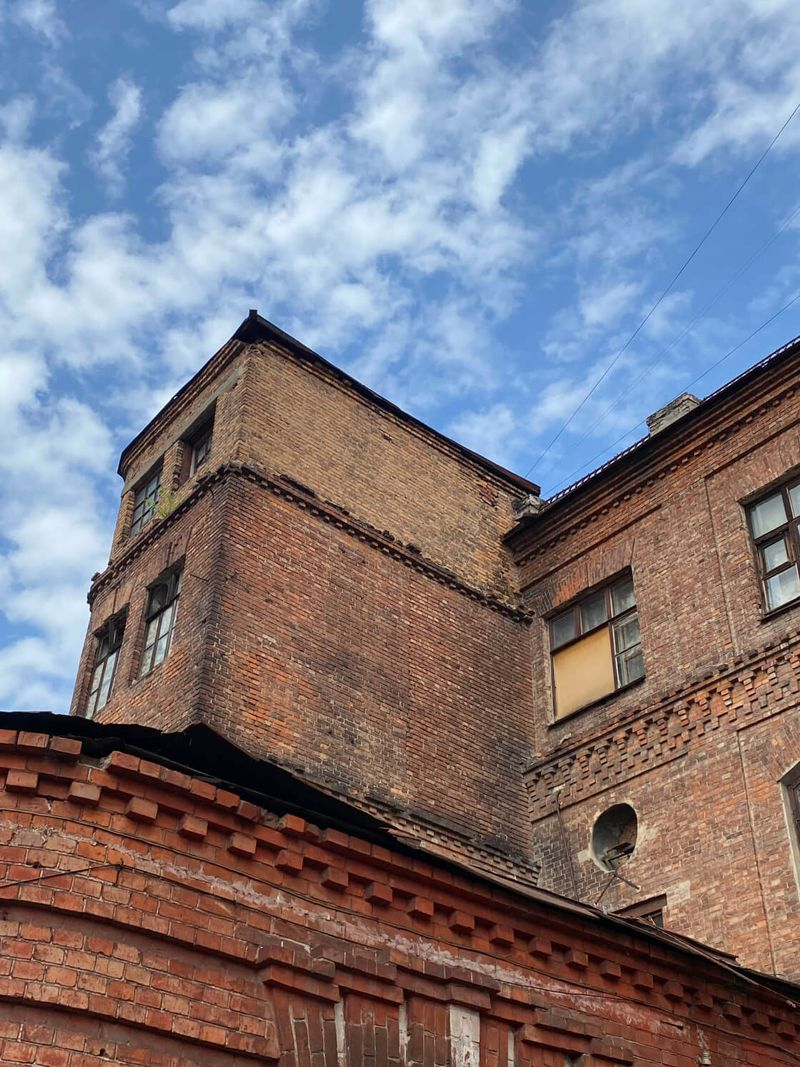
After World War II, several extensions — warehouses and other technical buildings — were added to the backyard.
.webp)

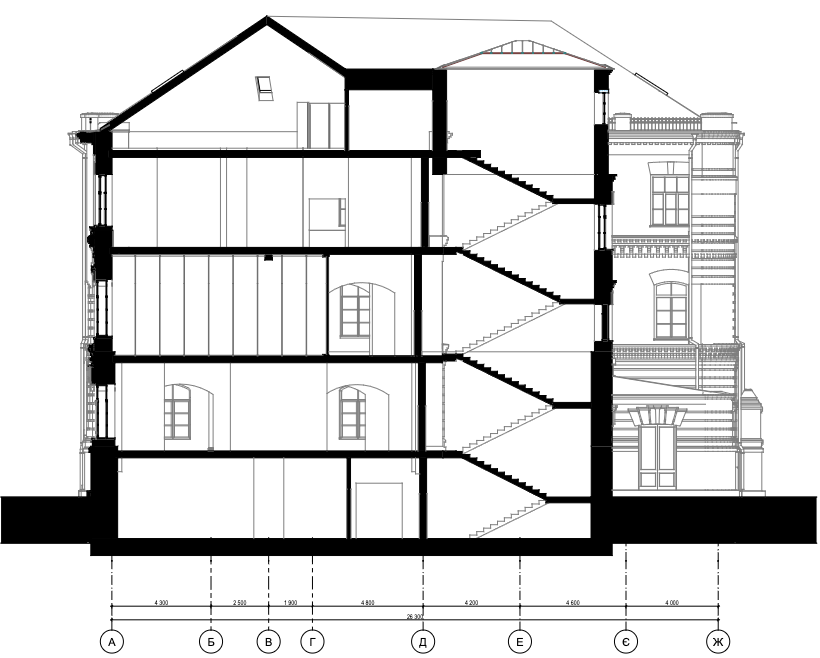
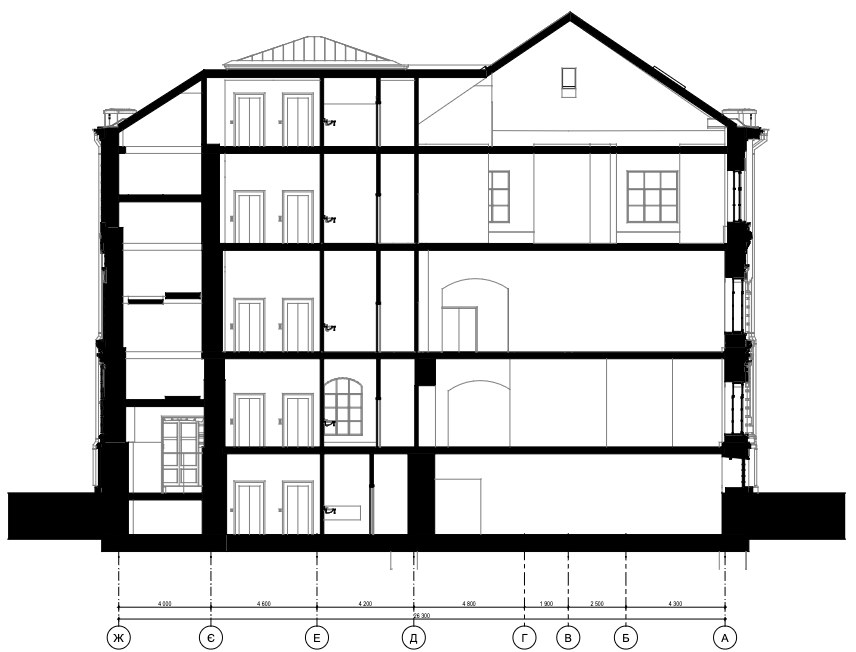
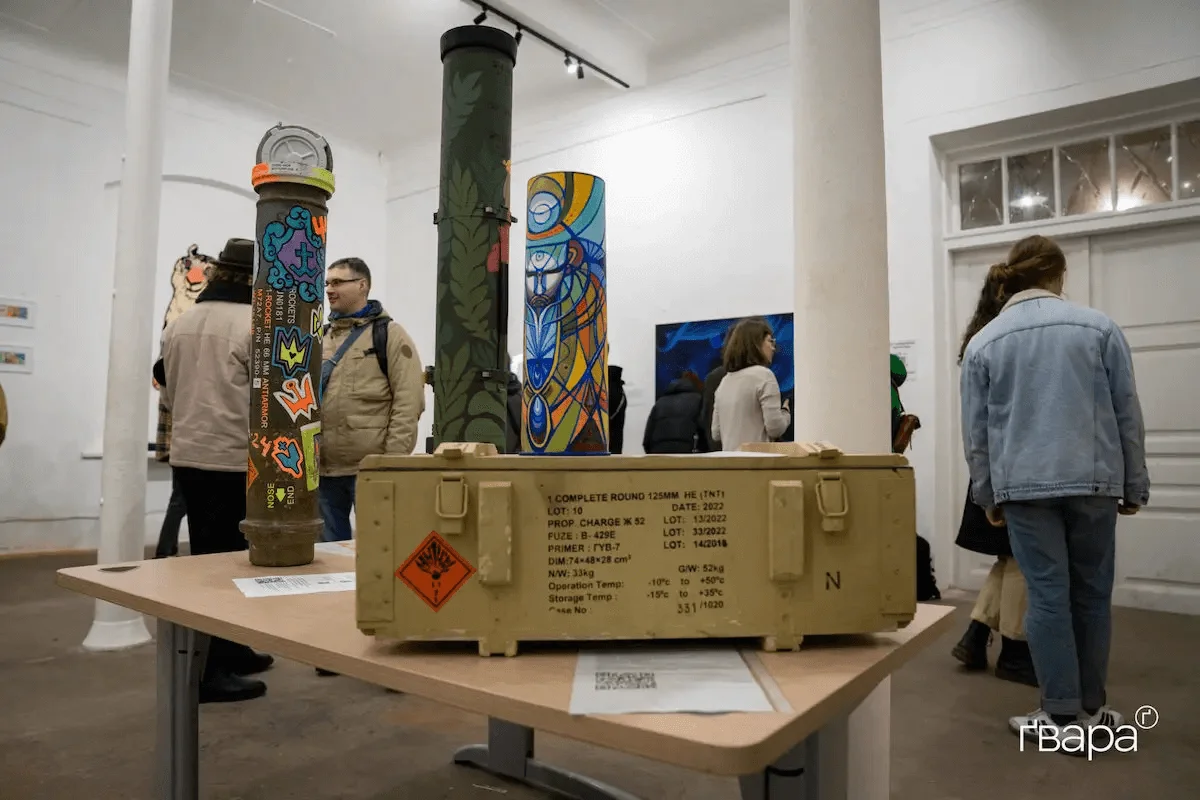
Alter Development initiated the revitalisation of the monument in 2021. Even before the actual start of the restoration process, the cultural and community centre DRUK was created. Local art groups were launching art exhibitions and workshops. The premises of the building were turned into spaces for permanent residents who share similar values: theater, poetry, photo studios, ceramic workshops, places for urbanists, and musicians. The space hosts musical events, film screenings, theater performances, lectures, etc.
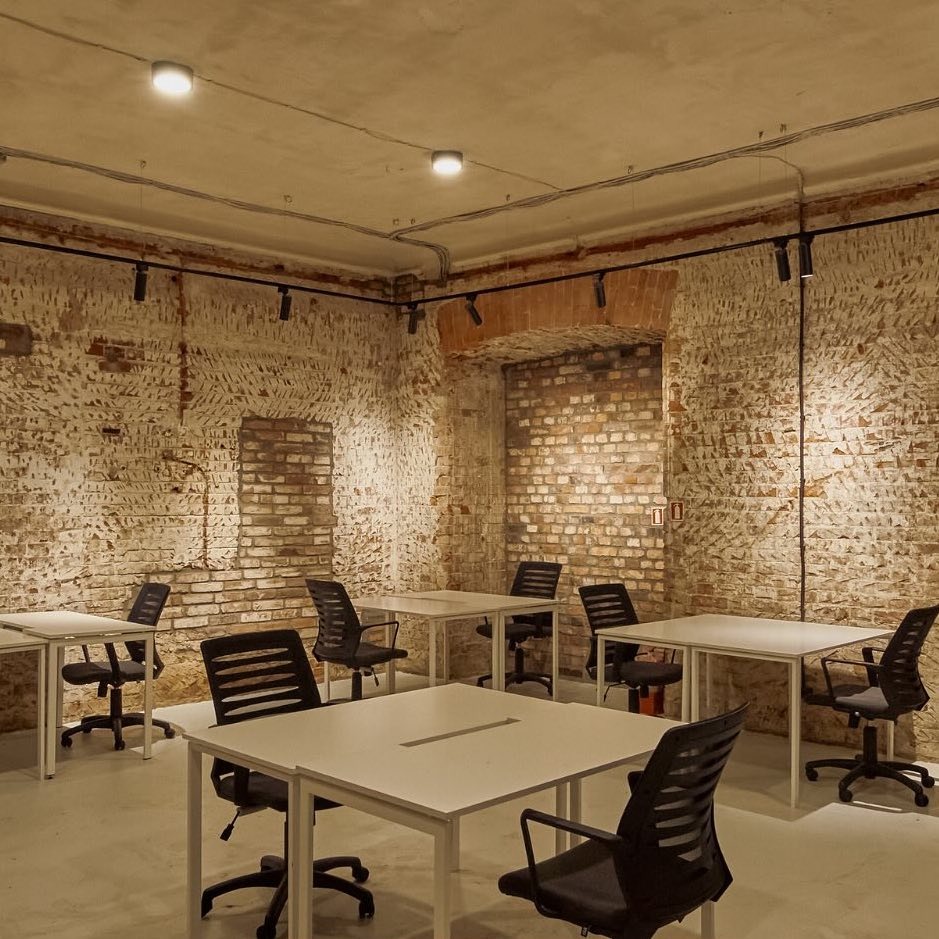
The basement level of the building was turned into the Art Shelter. It can be used as a bomb shelter during airstrikes. On weekdays, it operates as a coworking area, and from Friday through Sunday, it can be rented for various events. Some rooms are rented out to socially responsible businesses.
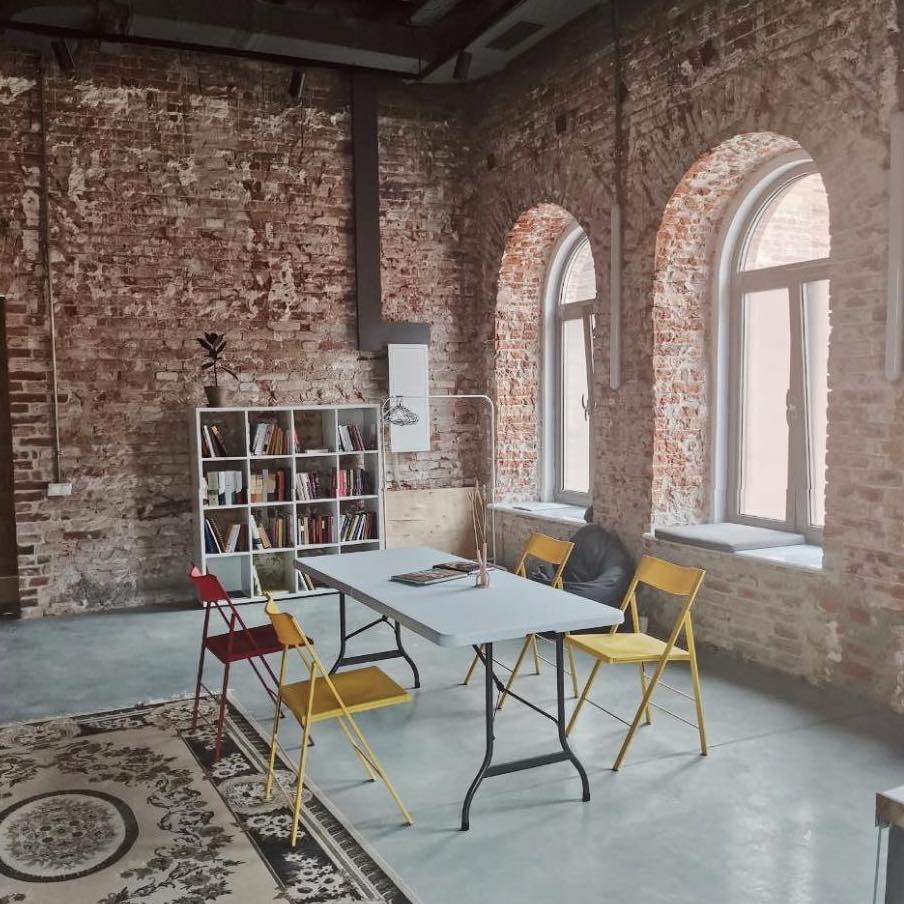
The main idea behind establishing the DRUK centre is revitalizing the neighbourhood between the central train station and the river Lopan. The company believes this could revive the urban environment, local businesses, and recreational and pedestrian infrastructure.

The reconstruction of the building continues with attention to authentic elements of the facade and interiors.


Text: Ivan Ponomarenko, Khmarochos editorial team, Daria Spasova